Blog · AI
How to Draft a Demand Letter with AI-Powered Tools
Attorneys handling personal injury cases know that demand letters, while essential for resolving claims, require significant time investment. The traditional approach takes days of reviewing medical…
By Tavrn Team · · Updated · 4 min read
Summarise with ChatGPT, Claude or Perplexity
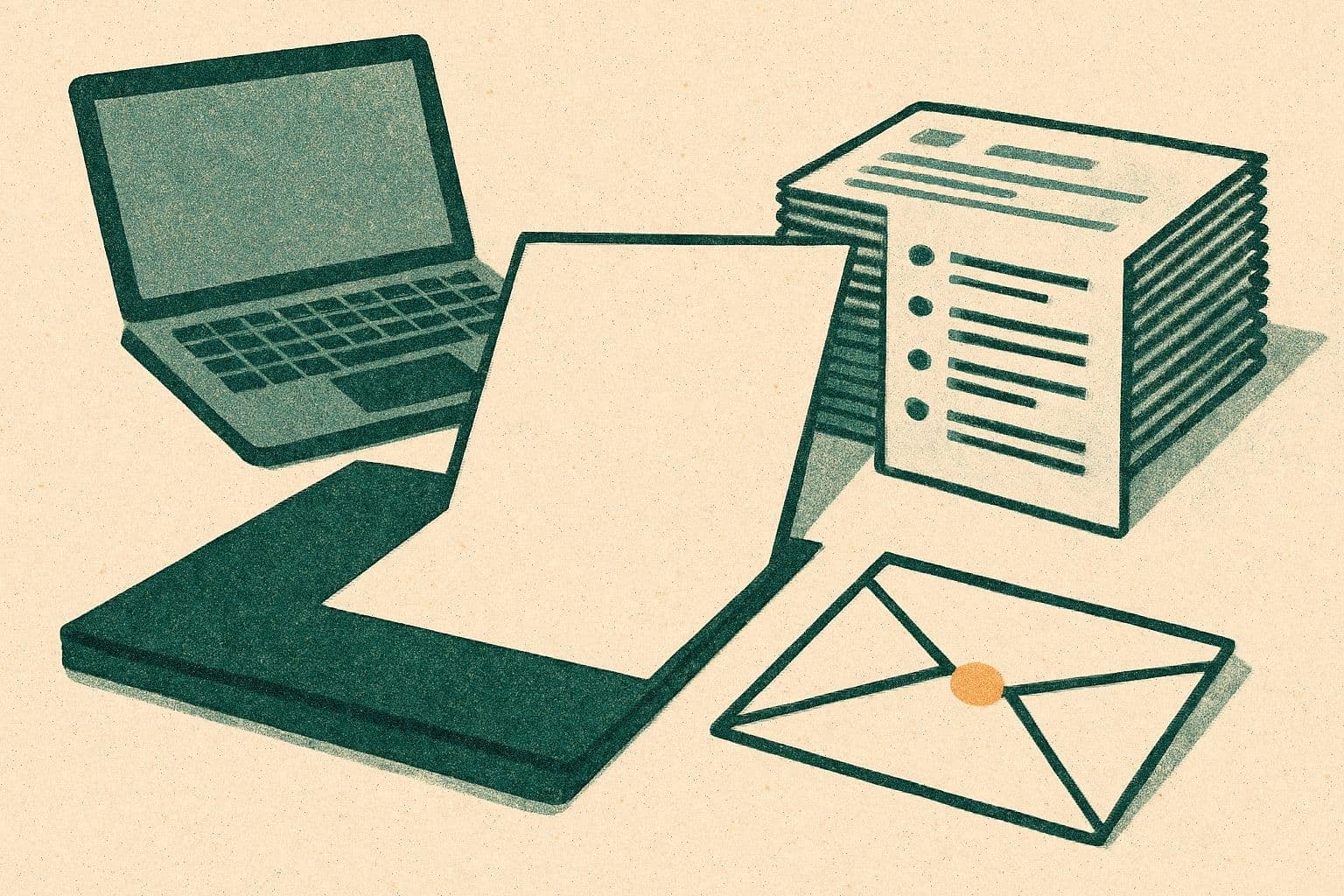
Attorneys handling personal injury cases know that demand letters, while essential for resolving claims, require significant time investment. The traditional approach takes days of reviewing medical records, organizing evidence, and crafting arguments—all while other cases wait for attention.
When you use AI tools to write a demand letter, you save drafting time and get a more consistent document. Manual drafting invites inconsistencies; AI checks the draft against every record and bill, and an attorney still reviews it before it goes out.
Tools like Tavrn automate the tedious parts while you keep full control over the final letter, so your time goes to case strategy.
This guide examines the bottlenecks in traditional demand letter preparation, shows how AI tools fit your workflow, and explains how to choose one for your practice.
Overcoming the Challenges of Traditional Demand Letter Preparation
As an attorney handling personal injury cases, you’ve likely seen how writing a draft letter disrupts your entire workflow. The traditional method doesn’t just consume time—it slows case progression, strains resources, and delays results.
When your demand letters contain unintentional omissions, you often face requests for additional information that stretch case timelines. Each exchange adds weeks to the settlement process, hurting both client satisfaction and firm efficiency.
Inconsistency is another challenge. Team members often take different approaches to drafting, which can result in uneven messaging across your firm—especially when handling similar cases against the same defendants.
Document quality also causes friction. Many medical records arrive as blurry scans or poorly formatted PDFs, making manual extraction difficult and prone to oversight.
Most importantly, accuracy has a ceiling when reviewing hundreds of pages by hand. Even your most detail-oriented team members are limited by time and fatigue—constraints that AI is purpose-built to overcome.
The more thorough you try to be, the longer each letter takes—delaying other cases and compounding backlogs.
How Do I Write a Demand Letter with AI?
Writing a demand letter with AI is simpler than you think. If you’re wondering how to write a demand letter efficiently without sacrificing quality, AI can help you do both. Here’s how the process works with a tool like Tavrn:
- Upload your case materials securely—including medical records, billing statements, and accident reports.
- Let the AI analyze the documents—recognizing key relationships between injuries, treatments, and their impact on your client’s quality of life.
- Review the draft letter—structured using negotiation best practices and personalized to your specific case details.
- Customize as needed—adjust tone, highlight certain facts, and shape the message to fit your legal strategy.
This collaborative approach gives you the best of both worlds: AI handles the heavy lifting while you retain full control over case positioning and tone.
Key Features and Customization Options
When exploring how to draft a demand letter efficiently, these AI capabilities can transform your workflow:
- Case-specific templates that adapt to the unique context of each case—auto accidents, medical malpractice, or workplace injuries—without relying on generic formats.
- Advanced document processing that extracts the details you need, even from low-quality scans or partial records.
- Bank-level data encryption to protect sensitive information and maintain client confidentiality throughout the drafting process.
- Integration with your existing approach so you don’t have to change how you practice law—AI enhances your workflow rather than replacing it.
At Tavrn, we’ve built these features to help you deliver exceptional results while saving hours of valuable time.
How to Choose the Right AI Tool for Demand Letters
So, how do you write a demand letter that’s accurate, fast, and persuasive? It starts with the right technology. Here's what to evaluate:
- Onboarding speed: Ask how long it takes to go from a signed contract to a first demand on your own template.
- Security protocols: Confirm encryption standards, access controls, and audit practices.
- Tech stack compatibility: Make sure the tool integrates with your case management software.
- Performance with poor-quality records: AI should handle handwritten notes, incomplete files, or grainy scans with ease.
- Ease of use: The tool should be built for legal professionals—no steep learning curve required.
Choosing the right tool ensures that every demand letter you draft is not only faster—but stronger, more consistent, and easier to deliver at scale.
Why AI Demand Letters Are the Future of Legal Practice
AI demand letters represent more than a technology upgrade—they reflect a smarter approach to legal work.
By spending less time on documentation, attorneys and staff can refocus on case strategy, client relationships, and firm growth.
AI-generated demand letters also help keep cases moving. Well-documented claims give insurers fewer reasons to delay or request additional clarification.
For growing firms, AI creates scalability. You can manage more cases without hiring more staff, keeping overhead low while increasing capacity.
Finally, AI strengthens your negotiating power. When every detail is included and clearly organized, insurers can see the strength of your case from the first read.
Streamline the Demand Letter Process with Tavrn
Knowing how to send a demand letter is both an art and a science. AI helps you turn this routine task into a strategic advantage.
We handle the heavy lifting—processing records, organizing timelines, and generating a high-quality full demand letter—so you can focus on the legal strategy.
With Tavrn, the records, the chronology and the demand drafted on your firm's template come from one place, and each is reviewed before it reaches you.
Ready to see how it works? Request a demo or schedule a personalized walkthrough tailored to your practice.