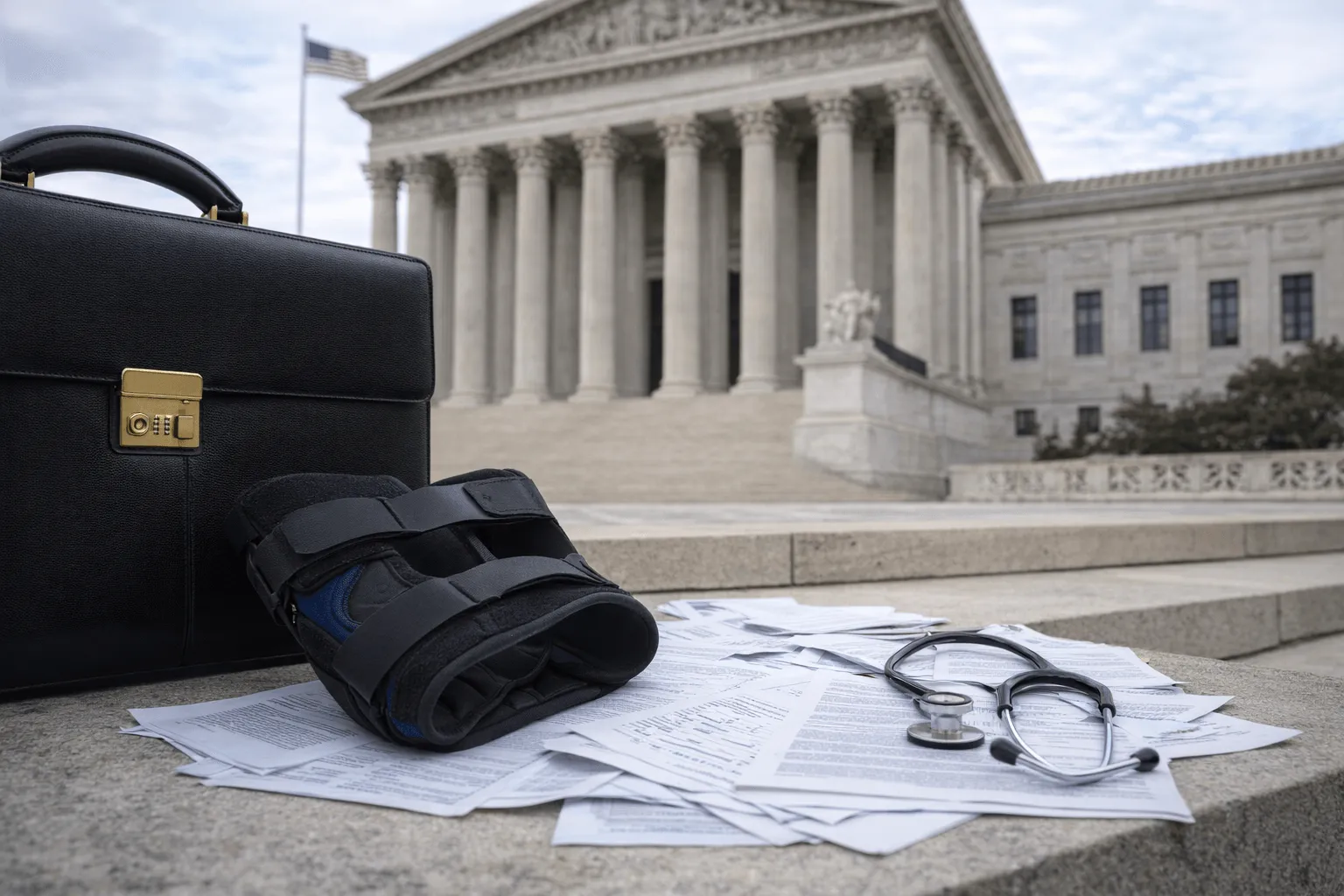
The Bard PowerPort litigation arises from product-liability claims involving implantable port catheter devices manufactured by C.R. Bard, now part of Becton, Dickinson and Company. Federal cases alleging catheter fractures, migrations, embolizations, and related complications have been centralized in MDL No. 3081 in the District of Arizona, placing the proceedings among the more closely watched medical-device dockets currently developing.
This article examines the factual background of the Bard PowerPort claims, the MDL’s procedural posture, and the liability theories advanced in early filings, situating the litigation alongside other large-scale device proceedings such as hernia mesh litigation.
Bard PowerPort Lawsuit Background and Device Overview
Bard PowerPort litigation centers on alleged defects in Becton, Dickinson & Company's implantable vascular access port systems used primarily for chemotherapy administration and contrast-enhanced imaging procedures. The devices, classified as Class II medical devices under 21 CFR 880.5210, distinguish themselves from standard implanted ports through power-injection capability, enabling high-pressure contrast media injection during CT scans at flow rates up to 5 mL/second at 300 psi.
Multiple PowerPort product lines reached market through the FDA's 510(k) pathway, including PowerPort M.R.I. Series, PowerPort isp (Implanted Safety Port), PowerPort Slim, PowerPort ClearVUE, and PowerPort duo M.R.I. configurations. Each product line was cleared through the FDA’s 510(k) pathway based on substantial equivalence to predicate devices, rather than through Premarket Approval.
Plaintiffs allege that high concentrations of barium sulfate in catheter materials create brittleness and progressive degradation. The Judicial Panel on Multidistrict Litigation (JPML) determination established that common factual questions concerning the design and manufacture of Bard's port catheters necessitated coordinated pretrial proceedings.
Alleged failure modes include:
- Catheter fracture and fragmentation: Broken pieces migrate into the vasculature and lodge in the heart, lungs, or other organs.
- Infectious complications: Pocket infections at implant sites, catheter tunnel infections, bloodstream infections, and sepsis requiring hospitalization.
- Thrombotic complications: Venous thrombosis at catheter sites, thromboembolism, and pulmonary embolism.
Published clinical literature reports baseline infection rates for implanted ports ranging from approximately 2.5–4%, a reference point frequently cited by plaintiffs in alleging elevated complication rates associated with Bard PowerPort devices.
MDL 3081 Procedural History and Case Structure
The Judicial Panel on Multidistrict Litigation issued formal centralization on August 8, 2023, establishing MDL No. 3081 with the designation "In re Bard Implanted Port Catheter Products Liability Litigation." Judge David G. Campbell of the United States District Court for the District of Arizona presides over consolidated proceedings.
As of December 2025, the MDL has progressed to coordinated discovery and pre-trial preparation, with bellwether trials scheduled to commence in March 2026. The timeline from centralization to first bellwether trials—approximately 31 months—aligns with typical medical device MDL progression patterns.
MDL 3081 operates through a streamlined pleading architecture established by CMO No. 7 (filed November 22, 2023), creating a Master Complaint system. The Master Complaint, filed November 29, 2023, consolidates common allegations while preserving individual case integrity through modular incorporation.
Under the Short-Form Complaint framework, plaintiffs must file amended complaints within 30 days from the CMO No. 7 date or transfer date, incorporating the Master Complaint by reference while adding plaintiff-specific jurisdictional allegations, factual allegations, and unique claims.
Primary design defect allegations center on material composition theories, including claims that:
- Barium sulfate concentrations contribute to the chemical degradation of polyurethane catheter materials.
- Rigid particle distribution weakens flexible polymer matrices over time.
- Progressive embrittlement increases fracture risk under normal use.
Failure-to-warn claims assert inadequate disclosure regarding barium sulfate concentrations contributing to material degradation, insufficient information about fracture mechanisms, and a lack of warnings about downstream complications. Plaintiffs allege defendants possessed long-standing knowledge of these risks through internal testing, adverse event reports, and post-market data.
Defense themes include regulatory compliance arguments that Bard PowerPort devices received appropriate FDA clearances through the 510(k) pathway. Defense pleadings and disclosures emphasize regulatory compliance arguments based on FDA 510(k) clearance and advance alternative causation theories focused on surgical technique and patient-specific comorbidities.
MDL 3081 Case Status and Procedural Developments
As of December 2025, MDL 3081 has not produced substantive merits rulings, settlements, or case resolutions. The litigation remains in pretrial procedural phases without completed bellwether trials, summary judgment rulings, or global settlement frameworks.
Procedural outcomes to date are limited to case-management developments, including:
- MDL consolidation in the District of Arizona.
- Case management orders governing coordinated discovery.
- Bellwether selection identifying six primary cases and one alternate.
- Representative injury categories spanning infection, thrombosis, and fracture claims.
- Bellwether trial scheduling from March through December 2026.
No motions to dismiss or summary judgment proceedings have been resolved, and no damages verdicts or jury awards have been rendered.
Separate from court proceedings, the regulatory record includes prior FDA recalls involving certain PowerPort devices.
FDA records reflect Class II recalls for:
- PowerPort duo M.R.I., initiated March 25, 2021, concerning catheter component issues.
- PowerPort devices, initiated on October 1, 2019, address component mismatch concerns.
Both recalls were later terminated through administrative closure and are cited in pleadings as part of the broader evidentiary record.
Industry and Regulatory Implications of the Bard PowerPort MDL
MDL 3081 consolidates product liability claims centered on polyurethane and barium sulfate material composition in Bard PowerPort catheters. The Master Complaint establishes specific causation frameworks requiring medical experts to establish how alleged material degradation caused individual plaintiff harms and engineering experts to validate chemical and mechanical failure mechanisms.
Comparison to IVC filter and transvaginal mesh MDLs demonstrates similar progression timelines. The concentrated six-trial bellwether structure with injury-type segmentation suggests judicial expectation that initial outcomes will drive global resolution discussions more rapidly than mega-MDLs requiring dozens of test trials.
The pleadings and discovery focus in MDL 3081 place increased scrutiny on manufacturers’ post-market surveillance practices, adverse event analysis, and internal risk documentation.
- Post-market surveillance records referenced in evaluating when risks were identified.
- Adverse event trend analysis cited in assessing notice and knowledge allegations.
- Internal risk-benefit assessments examined through expert discovery.
- Physician communications and labeling history evaluated in failure-to-warn claims.
Material composition decisions, particularly involving barium sulfate additives in polyurethane-based devices, have become a focal point in expert discovery addressing validation, verification, and long-term performance testing.
From an insurance perspective, implanted device claims such as those in MDL 3081 raise long-tail exposure and allocation questions spanning multiple policy periods. According to Willis Towers Watson's analysis, current market conditions show low single-digit increases in product liability coverage with continued underwriting discipline.
Key Legal Takeaways From the Bard PowerPort Lawsuit
MDL 3081 remains in a pretrial posture focused on coordinated discovery and preparation for a limited set of bellwether trials scheduled to begin in March 2026. The litigation centers on competing expert-driven causation theories, particularly whether alleged material degradation associated with barium sulfate–enhanced polyurethane catheters can be reliably linked to individual patient injuries across varied clinical histories.
The court’s bellwether design—selecting six representative cases spanning infection, thrombosis, and fracture claims—signals an intent to test liability theories across distinct failure modes rather than concentrating on a single injury profile. This structure emphasizes individualized medical records, expert testimony, and the ability to distinguish device-related complications from patient-specific comorbidities. Regulatory compliance arguments grounded in FDA 510(k) clearance remain central but operate within the established principle that clearance alone does not preclude state-law product liability claims.
Future Outlook and Bellwether Timeline for MDL 3081
The next major inflection point in MDL 3081 will be the bellwether trial window running from March through December 2026, during which six representative cases are scheduled for trial. Pretrial rulings on expert admissibility, particularly Daubert challenges addressing material science and medical causation, are likely to shape the evidentiary landscape before juries hear the first cases.
As discovery continues, additional focus may fall on post-market surveillance records and any related regulatory communications that emerge. Consistent with patterns observed in other medical-device MDLs, bellwether outcomes are expected to inform case valuation and negotiation dynamics, with broader resolution discussions typically developing after initial trial results clarify liability exposure across multiple injury categories.
Bard PowerPort MDL 3081: Case Analysis Summary
The Bard PowerPort litigation reflects the early procedural phase of a complex medical-device MDL, where liability questions remain shaped primarily by consolidated pleadings, coordinated discovery, and forthcoming bellwether trials. With no merits rulings or settlement framework yet in place, the litigation’s trajectory will depend on how courts evaluate expert evidence, causation theories, and individualized injury records across representative cases.
As MDL 3081 progresses, its handling of implantable access-device claims may influence how similar product-liability disputes are structured and assessed, particularly in cases involving long-term implanted medical devices and evolving evidentiary standards tied to medical record development in complex device litigation.