Updated on: May 06, 2026
Demand letters are one of the most common tools in civil dispute resolution. Sent before any lawsuit is filed, they appear across nearly every category of disagreement, from unpaid debts and contract breaches to landlord-tenant issues and personal injury claims. For many disputes, a well-drafted demand letter is enough to reach a resolution without further legal action.
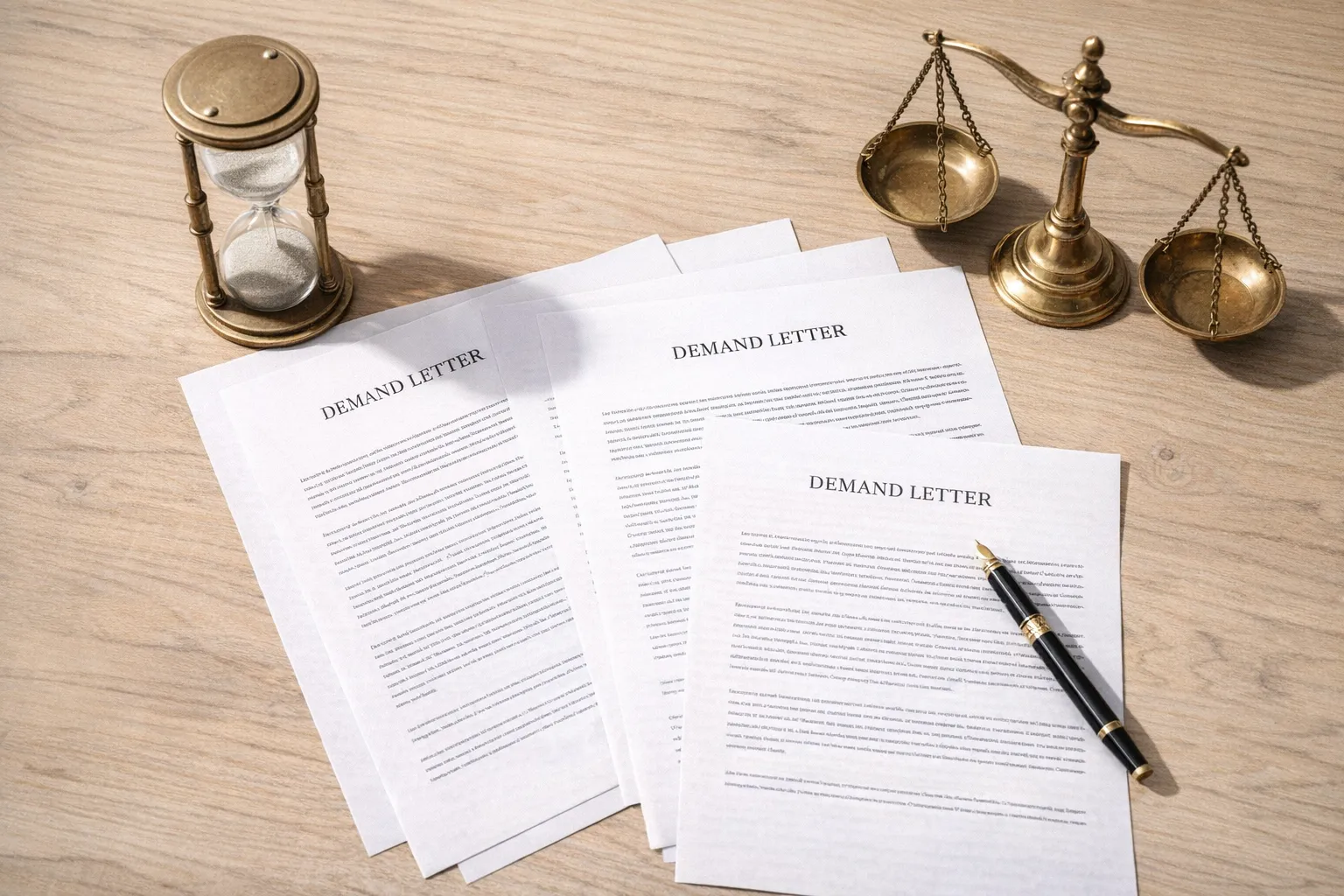
A demand letter is a formal written notice sent by one party to another that sets out the facts of a dispute, identifies the legal or factual basis for the claim, and specifies what the sender is requesting, whether payment, performance of an obligation, or the cessation of conduct. It typically includes a response deadline and a statement of the consequences if the recipient fails to comply, often the filing of a lawsuit.
This guide covers what a demand letter is, when one is typically used, the components included in most demand letters, how a demand letter is sent and delivered, and how to respond after receiving one.
Common Uses for a Demand Letter
Demand letters appear in nearly every area of civil law. The specific contents vary depending on the dispute, but the underlying purpose, formal notice paired with a clear request, remains the same across contexts. Common uses include:
- Personal injury claims. A claimant or attorney sends a demand letter to an at-fault party or their insurance carrier, requesting compensation for medical expenses, lost wages, property damage, and other losses tied to the incident.
- Contract disputes. A party seeks payment for services rendered, performance of a contractual obligation, or remedies for a breach of contract.
- Debt collection. A creditor or collection agency notifies a debtor of an outstanding balance and demands payment within a set period.
- Landlord-tenant disputes. A tenant requests the return of a security deposit or completion of repairs, or a landlord demands payment of unpaid rent.
- Cease-and-desist matters. The sender demands that the recipient stop a specific activity, such as harassment, defamation, intellectual property infringement, or unauthorized use of trademarks.
In each context, the demand letter functions as an opportunity for the recipient to address the issue without the cost, delay, and uncertainty of formal litigation. State and local laws may dictate state-specific rules for certain dispute types.
Why Send a Demand Letter?
A demand letter serves several practical purposes beyond simply notifying the recipient of a claim. Most senders rely on demand letters to:
- Open settlement negotiations. A demand letter signals that the sender is serious about pursuing a resolution and provides the recipient with a clear opportunity to respond before any lawsuit is filed.
- Avoid the cost of litigation. Court filings, attorney's fees, and the time required to litigate can far exceed the amount in dispute. A demand letter often resolves the matter without those expenses.
- Create a written record. Sending a demand letter establishes documented evidence that the sender attempted to resolve the dispute in good faith, which can become relevant if the matter ultimately proceeds to court.
- Trigger statutory deadlines. In some jurisdictions, sending a demand letter starts the clock on response timelines, interest accrual on unpaid debts, or pre-suit notice requirements.
- Strengthen the case for resolution. A clear, well-supported demand letter helps the recipient understand the seriousness of the claim and the likelihood of an unfavorable outcome if the dispute escalates.
The strength of these benefits depends on how the letter is drafted, with stronger drafting techniques calling for clear factual presentation, specific demands, and supporting documentation.
Essential Components of a Demand Letter
A demand letter follows a standard structure regardless of whether the dispute involves personal injury, a contract breach, unpaid debt, or property damage. Most demand letters include the following elements:
- Sender and recipient information. Names, addresses, and any relevant reference numbers such as a claim number, account number, or contract reference.
- A statement of facts. A clear, chronological account of what happened, including dates, locations, and the nature of the dispute.
- The legal or factual basis for the demand. A brief explanation of why the recipient is responsible, whether through breach of contract, negligence, statutory violation, or another ground.
- The specific demand. A precise statement of what is being requested: a dollar amount, a specific action, return of property, or cessation of conduct.
- A response deadline. A defined timeframe, commonly 14 to 30 days, by which the recipient must respond or comply.
- Consequences of non-response. A statement explaining what action will follow if the deadline passes, typically the filing of a lawsuit.
Supporting documentation is often attached or referenced, such as contracts, invoices, photographs, medical records, or correspondence that substantiates the claim.
How to Send a Demand Letter
Once the demand letter has been drafted and the supporting documentation gathered, the delivery method matters as much as the content. The way a demand letter is sent affects whether the recipient acknowledges it, when statutory response timelines start, and what evidence the sender has if the dispute later proceeds to court.
Timing
A demand letter is most effective when the sender has a clear understanding of the damages or losses involved. Sending too early, before the full extent of the dispute is known, can result in undervaluing the claim or having to amend the demand later. For ongoing situations such as injuries with continuing medical treatment, most senders wait until the situation has stabilized enough to calculate damages with reasonable accuracy.
Delivery Method
Certified mail with a return receipt requested is the most common method for sending a demand letter. The certified mail receipt provides date-stamped confirmation that the letter was delivered, which becomes important if the dispute proceeds to litigation. Some senders supplement certified mail with email or fax for speed, but the certified mail record remains the primary evidentiary document.
Response Window
Most demand letters specify a response deadline, typically 14 to 30 days from receipt. The sender's choice of deadline depends on the complexity of the dispute, the jurisdiction, and any applicable statutory minimums. After the deadline passes, the sender may follow up, escalate, or initiate formal legal proceedings.
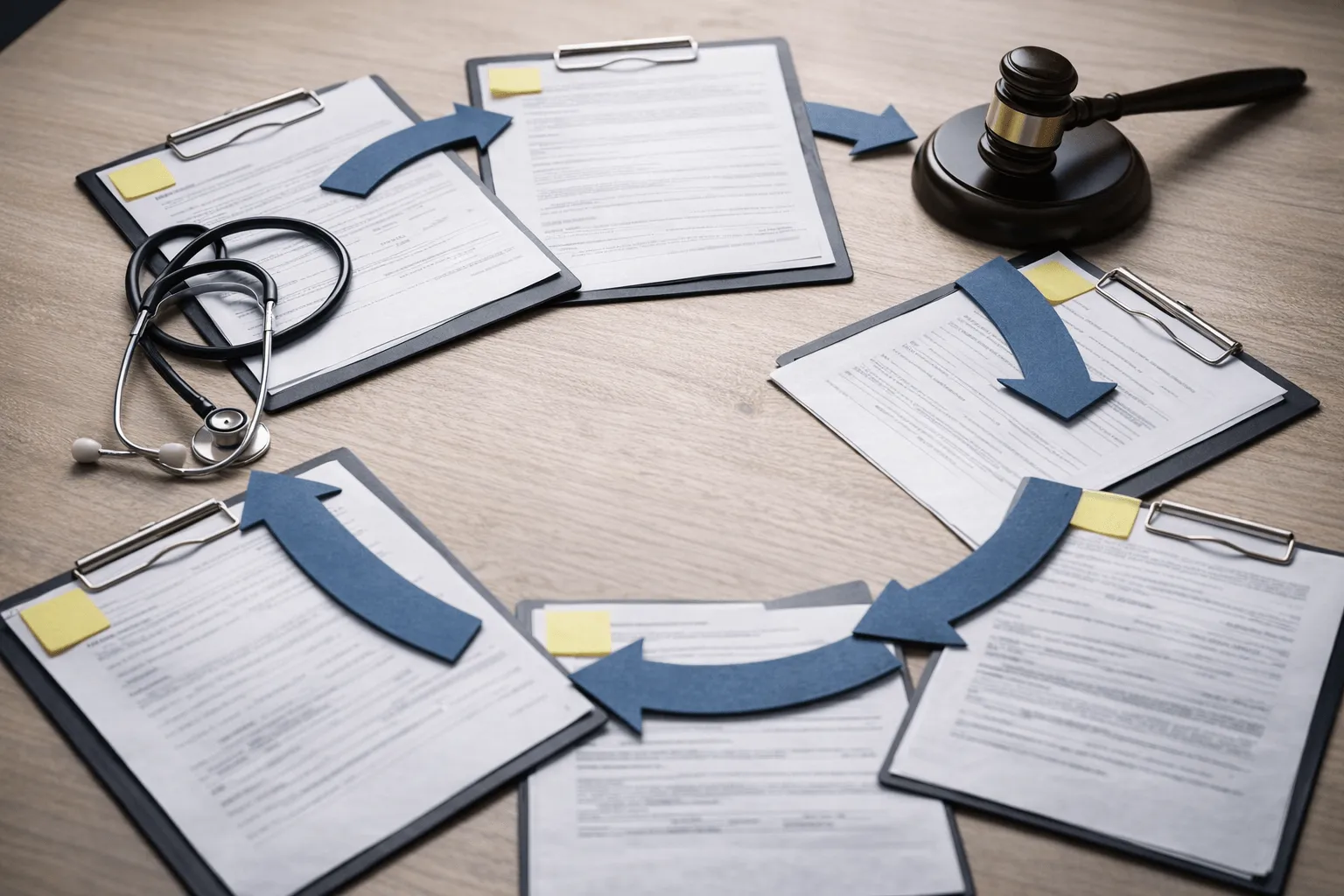
For matters that progress beyond the initial demand, the negotiation phase typically begins with counter-offers, requests for additional documentation, or a transition to formal litigation.
What to Do If You Receive a Demand Letter
Receiving a demand letter is not the same as being sued, but it should be treated as a serious matter. Ignoring a demand letter rarely makes the underlying dispute go away and often makes the situation worse, because it removes the opportunity to resolve the matter before the sender files a lawsuit. Recipients of a demand letter should generally take the following steps:
- Read the letter carefully. The recipient should identify what is being demanded, the legal or factual basis for the claim, and the response deadline.
- Verify the facts. Many demand letters describe events from one perspective or include factual errors. The recipient should compare the letter against their own records, contracts, or correspondence before responding.
- Avoid responding emotionally. Anything written in response to a demand letter can be used as evidence later. A measured, factual response carries more weight than an immediate denial or accusation.
- Consider consulting an attorney. Even if the recipient intends to resolve the dispute directly, a brief consultation can clarify exposure, identify potential defenses, and confirm whether the demand is reasonable.
- Respond before the deadline. A timely response, even one that disputes the claim, preserves the recipient's position and demonstrates good faith. Possible responses include compliance, a counteroffer, a request for additional information, or a written denial.
Treating a demand letter as the start of a negotiation, rather than a personal attack, generally leads to better outcomes regardless of which side has the stronger case. When demand letters fail to produce a resolution, the litigation process that follows is often substantially more time-consuming and costly for both parties.
From Notice to Resolution
A demand letter is a formal written notice that opens negotiations before litigation, used across personal injury claims, contract disputes, debt collection, landlord-tenant matters, and intellectual property issues. Knowing what a demand letter is, what it should contain, how it should be sent, and how to respond when one arrives helps both senders and recipients navigate the pre-litigation phase with more confidence.
Tavrn helps law firms generate, review, and send demand letters at scale by combining structured case data with AI-assisted drafting. Firms exploring AI drafting tools gain faster turnaround on first drafts, more consistent formatting across files, and tighter alignment between the demand and the supporting documentation.