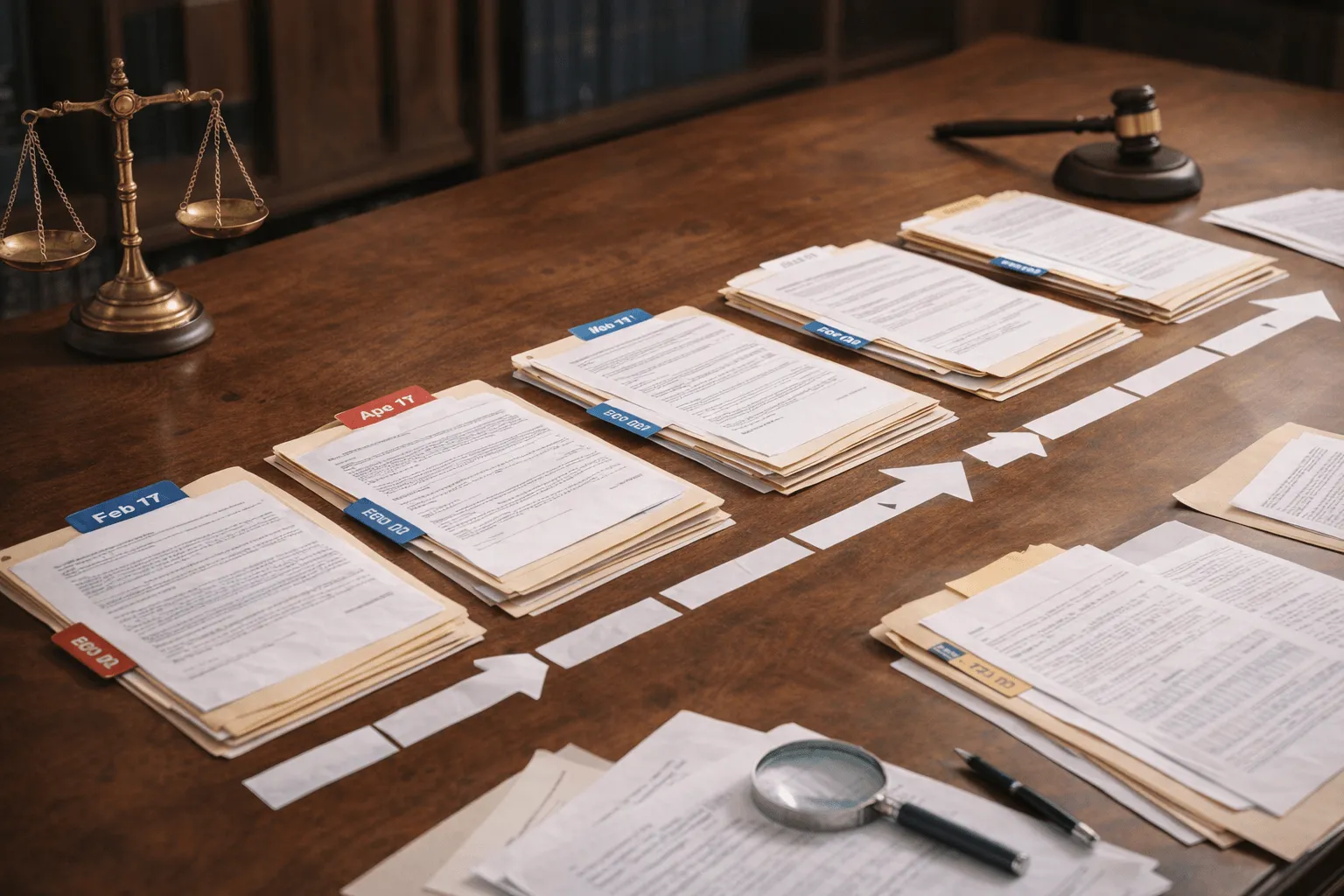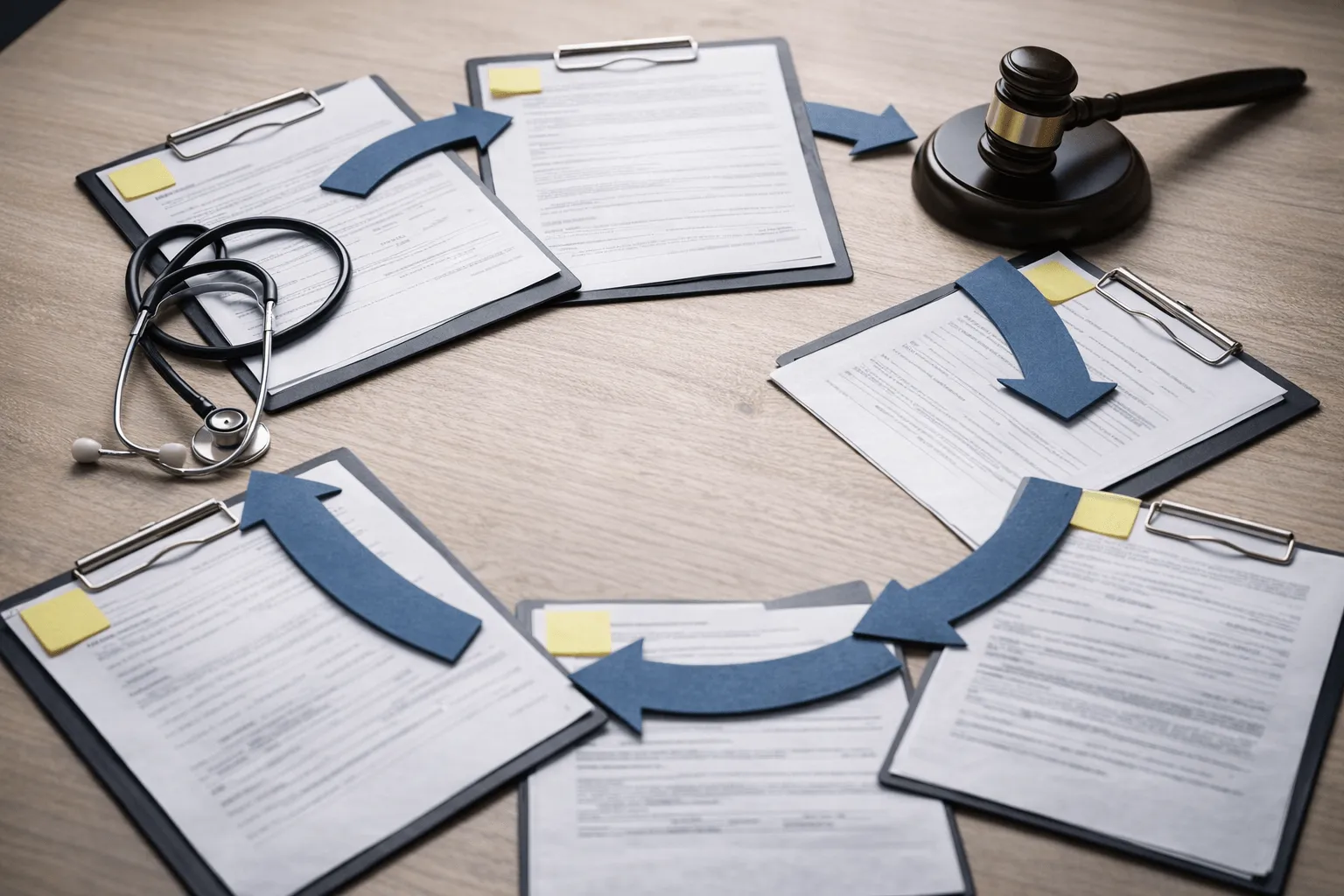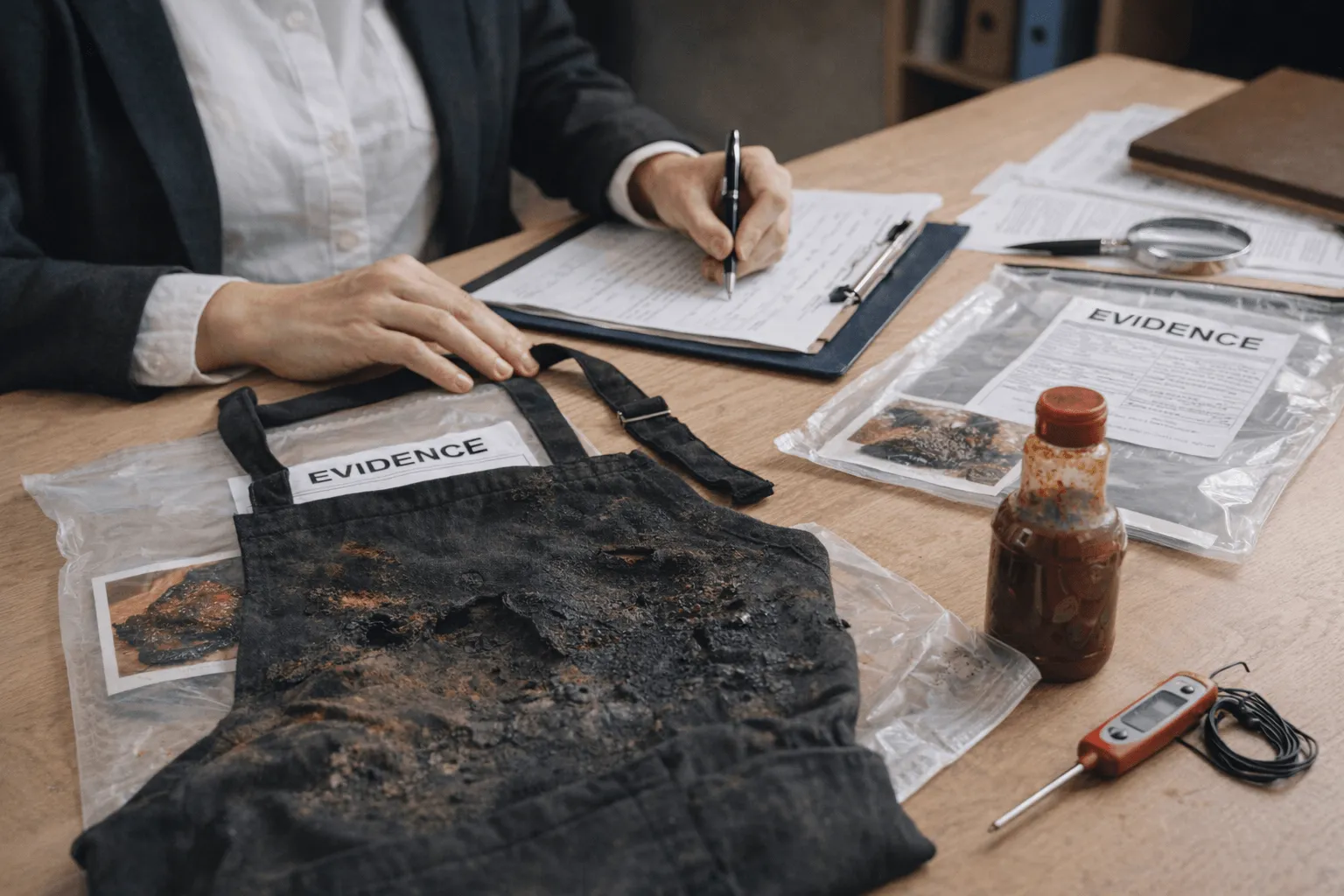
In January 2025, a Bexar County jury awarded Genesis Monita $2.8 million after she sustained second-degree burns from barbecue sauce served at 189°F through a Bill Miller Bar-B-Q drive-thru. The verdict included $1.9 million in punitive damages—later reduced under statutory caps— drawing comparisons to Liebeck v. McDonald's. For practitioners handling Texas product liability claims, the case offers instructive precedent on restaurant liability, the evidentiary power of internal policy violations, and conditions necessary to unlock punitive damages.
Bill Miller BBQ Sauce Burn: Case Background and Injuries
On May 19, 2023, Genesis Monita, then an 18-year-old high school senior, ordered breakfast tacos with barbecue sauce alongside her sister at a Bill Miller Bar-B-Q drive-thru in San Antonio, Texas. After parking to eat, Monita removed a plastic cup of barbecue sauce from the bag. The container was so hot that she dropped it onto her right thigh, causing second-degree burns and significant scarring.
Beyond the physical injury, Monita alleged significant psychological distress, including depression and social isolation, as well as missed graduation activities during her recovery.
Temperature and Packaging Violations
Trial evidence established a critical three-tier temperature discrepancy:
- Texas safe holding requirement: 135°F
- Bill Miller internal policy minimum: 165°F
- Actual temperature of sauce served: 189°F
The 189°F serving temperature exceeded the company's own stated policy by 24 degrees and the Texas Food Establishment Rules baseline by 54 degrees. Additionally, company policy called for Styrofoam containers; the sauce was served in a plastic cup.
Procedural History and Trial Timeline
Monita filed suit on October 27, 2023, in the 166th District Court of Bexar County, Texas, as Case No. 2023CI23261. The complaint asserted claims for negligence, serving dangerously hot sauce, failure to warn, inadequate container selection, and failure to train staff on temperature monitoring.
Defense Strategy and Jury Deliberation
Defense counsel Barry McClenahan maintained several positions:
- 165°F was a minimum, not maximum temperature.
- Serving sauce at 189°F "isn't prohibited by the company's safety policy".
- The plastic cups were rated safe to 230°F.
- Monita's own handling caused the injury.
On January 17, 2025, the jury deliberated under two hours before returning a unanimous verdict, assigning 100% fault to Bill Miller Bar-B-Q and rejecting all comparative negligence arguments.
Gross Negligence Findings in the BBQ Sauce Burn Case
The evidentiary record supported the jury's gross negligence finding under Texas Civil Practice & Remedies Code § 41.001(11), which requires proof of an act or omission involving an extreme degree of risk combined with actual subjective awareness and conscious indifference to others' safety.
Prior Incident Establishing Actual Notice
Evidence established a prior burn incident at a Bill Miller location in 2021. This proved legally decisive: the company had actual knowledge that serving dangerously hot barbecue sauce posed burn risk, yet implemented no corrective measures before the May 2023 Monita injury.
This transformed the case from ordinary negligence to gross negligence, enabling the $1.9 million punitive award.
Internal Policy as Breach Evidence
The company's own 165°F temperature policy and Styrofoam container requirement became central exhibits. When a defendant's internal standards exceed regulatory minimums, those standards become enforceable evidence of the duty of care. The dual violations—serving sauce at 189°F in plastic containers—demonstrated systematic disregard rather than isolated error.
$2.8 Million Verdict: Damages and Texas Statutory Caps
The total verdict reached $2.8 million with the following breakdown:
Compensatory Damages
- Past and future mental anguish, physical pain, impairment: Approximately $900,000.
- Medical care expenses: Over $25,000.
- Lost earnings: Approximately $700 (Monita was a high school senior at the time of injury with limited work history).
Punitive Damages and Statutory Cap
The jury awarded approximately $1.9 million in punitive damages after plaintiff's counsel referenced the company's net worth during the punitive damages phase, then increased to 10% following defense closing arguments.
Under Texas Civil Practice & Remedies Code § 41.008, punitive damages are capped at the greater of $200,000 or two times economic damages plus non-economic damages (capped at $750,000). Applying this formula reduced the punitive award to $750,000, resulting in a final judgment of approximately $1.675 million.
Pattern Evidence: Subsequent Hot Sauce Burn Lawsuits
Two additional lawsuits filed after the Monita verdict establish a pattern of similar hot sauce burn incidents across multiple Bill Miller locations within a 19-month period. Angelica Ochoa filed suit in 2025 for injuries sustained on October 25, 2023, alleging the sauce was "dangerously hot" enough to melt a portion of her jeans, causing second-degree burns. Rose Roque filed on behalf of her child, alleging an employee placed an uncovered container of hot sauce on the grandfather's tray in May 2024, resulting in second-degree burns to the child's face and permanent facial scarring.
Following the Monita verdict, Bill Miller added warning labels reading "caution: contents are hot" to drive-thru menus and takeout bags. The company also reportedly began serving barbecue sauce in Styrofoam containers wrapped in aluminum foil at some locations. These changes came after the jury verdict but before the subsequent Ochoa and Roque lawsuits were filed—raising questions about whether earlier remediation might have prevented additional injuries.
Practice Considerations in Hot Food Burn Litigation
The Monita verdict and subsequent filings offer distinct strategic considerations for attorneys on both sides of hot food liability cases.
For Plaintiff's Counsel
- Pursue internal policy discovery: Company standards exceeding regulatory requirements become powerful breach evidence when violated.
- Request incident reports broadly: Prior similar injuries establish pattern evidence supporting gross negligence findings.
- Depose corporate safety personnel: Critical admissions about prior incidents may emerge.
- Document psychological harm thoroughly: Non-economic damages may significantly exceed medical costs.
For Defense Counsel
- Audit policy compliance before litigation: Internal policies become plaintiff exhibits when violated.
- Document corrective actions after incidents: Absence of remediation supports conscious indifference findings.
- Prepare for punitive phase: Have net worth testimony strategy and constitutional ratio arguments ready.
Insurance Coverage and Punitive Damages Exposure
The gross negligence finding creates significant insurance complications for Bill Miller and similarly situated defendants. In Texas, whether liability insurance covers punitive damages depends on a two-step analysis established in Fairfield Insurance Co. v. Stephens Martin Paving: first, whether the policy language covers exemplary damages; second, whether public policy permits coverage under the specific circumstances.
Texas has no blanket prohibition against insuring punitive damages, but coverage remains fact-dependent. Many commercial general liability policies expressly exclude punitive damages, and courts have found public policy bars coverage where the insured's conduct involves "extreme circumstances" or "avoidable conduct" causing injury. The gross negligence finding here—based on actual knowledge of prior incidents and conscious indifference—strengthens arguments that public policy should preclude coverage.
For restaurant defendants, this creates a practical dilemma: the conduct most likely to trigger punitive damages is also the conduct most likely to fall outside insurance protection. Establishments with documented prior incidents face compounding exposure—the pattern evidence that supports punitive findings simultaneously undermines coverage arguments.
Defense counsel evaluating similar cases should:
- Review policy language for express punitive damages exclusions before trial.
- Assess whether the conduct falls within "avoidable" categories that Texas courts have found uninsurable.
- Prepare clients for potential personal exposure on punitive portions of any verdict.
The statutory cap ultimately reduced Monita's punitive award to $750,000, but even capped amounts represent substantial uninsured exposure when coverage is excluded or denied on public policy grounds.
In Summary
The Monita verdict reinforces that hot food injury verdicts can reach multi-million dollar levels when restaurants ignore internal policies and prior incidents. The case extends Liebeck principles beyond beverages to all hot food products, demonstrating that the legal framework for temperature-related injury liability remains durable three decades after the McDonald's coffee verdict.
Cases involving prior incident patterns and internal policy violations require thorough documentation of historical records, systematic organization of medical evidence, and comprehensive case preparation to support gross negligence findings.
For practitioners handling similar cases, organized medical documentation and systematic chronology development strengthen both liability and damages arguments. For related analysis on premises liability and negligence claims, see food liability case developments.